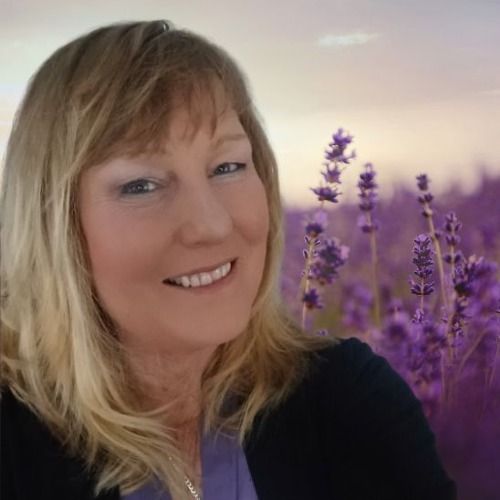
Why Smart People Freeze Under Pressure And How To Find Their Voice
This episode is for coaches, entrepreneurs, and professionals who know what they want to say but freeze when the pressure rises.
You’ll learn how nervous system regulation, message structure, and storytelling can help you communicate with more clarity, confidence, and authority.
What if the real key to visibility is not more confidence, but a body that finally feels safe being seen?
In this conversation, Jill Hart sits down with Alice Hlidkova creator of the ALICE Method, to explore why brilliant people can lose access to their voice in high-pressure moments.
Alice shares how authentic communication starts in the body, how storytelling builds trust, and why embodiment matters more than performance when you want your message to land.
About Alice Hlidkova
Alice Hlidkova is the creator of the ALICE Method, a communication framework focused on nervous system regulation, authentic self-expression, storytelling, and embodied authority.
Through her writing, videos, and teaching, she helps people stop freezing in meetings, on stage, and in life so they can communicate with clarity and presence.
Key Takeaways
- Why highly intelligent people often become less articulate under pressure
- How nervous system dysregulation can override preparation and confidence
- A simple breathing practice to regulate before speaking
- Why storytelling helps audiences trust and remember you
- How active listening builds stronger communication, leadership, and sales conversations
Resources And Links
- Alice’s Skool community: https://skool.com/alice
- Alice’s Substack: https://alicelydkova.substack.com
- Client Acquisition Audit: https://coachsalchemist.com
- You World Order community: https://skool.com/you-world-order
If this conversation resonated, subscribe, share it with someone who needs their voice back, and let us know in the comments what part of the ALICE Method stood out most for you.
Want premium clients from your content?
Grab a free Client Acquisition Audit and I’ll show you exactly where your message, offer, and CTA are leaking conversions—and the 3 fixes to turn your podcast/Substack into a client pipeline.
👉 Book here: https://coachsalchemist.com
This podcast uses the following third-party services for analysis:
Podtrac - https://analytics.podtrac.com/privacy-policy-gdrp
Transcript
WEBVTT
1
::Jill Hart-The Coach's Alchemist: Why do some of the smartest people completely lose access to their voice the moment the pressure rises?
2
::Jill Hart-The Coach's Alchemist: Not because they lack knowledge, not because they aren't capable, but because the body can silently interpret visibility, judgment, and self-expression as danger.
3
::Jill Hart-The Coach's Alchemist: Once that happens, intelligence stops translating into communication. In this episode, we explore why the nervous system regulation may matter more than confidence.
4
::Jill Hart-The Coach's Alchemist: How storytelling changes the way people trust you, and why finding your authentic voice might actually be the key to building freedom in your life and work. Hi, and welcome to the You World Order Showcase Podcast, where we feature life, health, transformational coaches, and spiritual entrepreneurs stepping up to be the change they seek in the world. I'm your host, Jill Hart, Coaches Alchemist, on a mission to empower coaches and entrepreneurs to amplify their voice.
5
::Jill Hart-The Coach's Alchemist: Monetize their mission and get visible. If you're ready to start attracting premium clients without chasing algorithms or hunting people down like a banshee on a mission, head on over to Coachesalchemist.com and schedule your free client acquisition audit. It's the first step to building a business where your clients seek you out rather than you having to hunt them down.
6
::Jill Hart-The Coach's Alchemist: Today, we are chatting with Alice Lydkova.
7
::Jill Hart-The Coach's Alchemist: Alice is the creator behind Alice Lidkov and the Alice Method, where she explores nervous system regulation, authentic communication, storytelling, and self-expression. Through her writing and videos, she helps people communicate with greater clarity, presence, and personal authority in both life and business. Welcome to the show, Alice. It's great to have you with us.
8
::Alice: Thanks, Jill. Hi.
9
::Jill Hart-The Coach's Alchemist: So, let's ask you the big question. What's the most significant thing, in your opinion, as individuals we can do to make an impact on how the world is going?
10
::Alice: That's a great question. I always say that the biggest impact is really to speak your truth. I know it's very cliche, and a lot of…
11
::Alice: people can… we all know that it's something that's obvious, right? We should, of course, speak our truth, and it's not always the case, because there's parts of the world where you cannot use your voice.
12
::Alice: And, there are parts of the world where you can. We have those freedoms, and I always am a big advocate of exercising our freedom, so if we have the capability to speak, to express ourselves, then we should absolutely
13
::Alice: empower ourselves to do so, especially if we're in the countries that empower us to do that. Oftentimes, what prevents us from using our voice
14
::Alice: is our own imposter syndrome, or our… our mind is in the way. Our trauma is in the way. Our upbringing, our culture, our nervous system that isn't regulated. So, all of a sudden, we use that capability, and if we don't practice, we never…
15
::Alice: have that chance again. So, everything comes from being more of who you are, of course, understanding who your audience is, and that takes practice, of being vulnerable.
16
::Alice: And there's a lot of things we'll cover, storytelling and nervous system regulation and being vulnerable with ourselves, and honest first with ourselves before we can speak the truth.
17
::Alice: Great question.
18
::Jill Hart-The Coach's Alchemist: How do highly intelligent people often become less articulate in high-pressure situations? What kind of leads to that?
19
::Jill Hart-The Coach's Alchemist: Do you think?
20
::Alice: I had this discussion with a lot of highly intelligent people, and I wish I could reference the study, but there was a study that I read that
21
::Alice: intelligent pe… the more intelligent you are, the more unsure you are of your capability, of your own intelligence. And I see that in my family, we have a few engineers and doctors and writers, so you would call them intelligent.
22
::Alice: And, they're some of the most humble people. Like, they don't think they're that smart.
23
::Alice: So… and intelligence doesn't mean that you… a mark of intelligence is more than just…
24
::Alice: being smart or educated and academic, there's a lot that goes into intelligence. I think at the end of the day, the more you know.
25
::Alice: The more you learn, the more you realize that you don't know.
26
::Alice: And I think that's… Why intelligent people say that they're not that smart or intelligent.
27
::Alice: Because they know more, and they know… understand that they actually don't know so much about the universe, and about the multiverse, and multiple galaxies. So, it's just awareness.
28
::Jill Hart-The Coach's Alchemist: Yeah, I… that is so true.
29
::Jill Hart-The Coach's Alchemist: Ed…
30
::Jill Hart-The Coach's Alchemist: Let's talk about words for just a second. This is kind of going to be a segue off of it. I've always understood that words
31
::Jill Hart-The Coach's Alchemist: The larger your vocabulary is, and it just kills me when you have to dumb down your writing.
32
::Jill Hart-The Coach's Alchemist: for, like, they talk about third grade level. I felt so sad, because…
33
::Jill Hart-The Coach's Alchemist: Bigger ideas require a bigger vocabulary, because words have meaning, and specific words have specific meaning, and you can't…
34
::Jill Hart-The Coach's Alchemist: You can't grow an idea unless you grow your vocabulary to fit around it.
35
::Alice: Absolutely.
36
::Alice: So, New York Times had, the criteria, I believe, is 5th grade, and if… I'm not sure if they change it to 3rd grade, and I understand what you're saying.
37
::Alice: Yeah, so we do have the… the vocabulary word. That's one form of expression, is the written word and the spoken word. There's also, you know, you can express yourself through music, through… by playing an instrument and dancing, and…
38
::Alice: There's many ways to express ourselves, and that expression holds a frequency. It's an energetic blueprint.
39
::Alice: of your soul. Music writing… I'm a writer, so, like, through words, through speech, through the written form of expression, you channel the spirit. It's your spirit, it's your soul, and that's your…
40
::Alice: It's your blueprint. And I always talk about this, why it's important in business and in life, because your business is your life, and your life is your business.
41
::Alice: You don't become a different person at work, and you don't become a different person when you come home. You are the same person, it's just you have one mask that you take off and you replace it with another mask. It's like changing hats.
42
::Alice: So I always say that the more you can Sit in your truth, And…
43
::Alice: Be aware of who your audience is. So if you have, for your example, the third grade.
44
::Alice: If your audience is used to understanding 3rd grade.
45
::Alice: vocabulary, absolutely, you should, adapt to their communication style, but I always try to go a little bit… give them something that they're not expecting. So you can throw in 4th or 5th grade.
46
::Alice: You can't throw a curveball in, because it expands their mindset. You always want to expand and broader people's mindset.
47
::Alice: Because you don't… if you're in third grade, you don't know you need 5th grade. You don't know what your 5th grade is like. You know, Jill, because you can go from 5th to 4th to 3rd to 8th. So, as educators, our responsibility is really to
48
::Alice: enhance, empower, broaden people's lives, enhance their life. So we can absolutely aim to throw a few words in there that are 5th grade or 8th grade.
49
::Jill Hart-The Coach's Alchemist: Love that.
50
::Jill Hart-The Coach's Alchemist: I think it's more about… Developing ideas with people, and it… In terms of… of speaking.
51
::Jill Hart-The Coach's Alchemist: Rather than writing. I understand the third grade thing with writing online has to do with people skimming.
52
::Jill Hart-The Coach's Alchemist: Because we don't have time to read all of the stuff that gets thrown at us, and so…
53
::Jill Hart-The Coach's Alchemist: Unless you're… you're writing… For the purpose of sharing an idea, and it gets into, like.
54
::Jill Hart-The Coach's Alchemist: there's vernacular that people use in different professions. Like, you talked about, you have engineers and doctors and other highly intelligent people, but they all have specific vocabularies that they use.
55
::Alice: Yes.
56
::Jill Hart-The Coach's Alchemist: And sometimes that doesn't work for everybody's benefit, because everybody doesn't understand what they're talking about.
57
::Alice: Okay, so this is gonna be interesting. Yeah, so they have a different vocabulary, and I have a podcast where my co-host is a doctor, and he's very spiritual, so he is somewhere else.
58
::Jill Hart-The Coach's Alchemist: Amazing.
59
::Alice: Way beyond even my comprehension and vocabulary and understanding.
60
::Alice: However, there's people like you and I that can translate.
61
::Alice: and translate those ideas to different audiences, which is a blessing. And, you know, in my family, we also have people who speak multiple languages.
62
::Alice: And that's… that's another… that's just… the way that they can process ideas is… is amazing that today computers can do.
63
::Alice: I would… when it comes to ideas.
64
::Alice: I… I struggle with this in the sense of… Ideas… Don't always require a vocabulary.
65
::Alice: Ideas can require energy, and ideas can be expressed through energy.
66
::Alice: So, practically how that looks like is, if I am in a hostile country in the Middle East, I was in Iraq during the Arab Spring in 2012, and there's soldiers on the ground, and there's people that want to attack me or kidnap me.
67
::Alice: And in my mind, I don't speak… well, I don't speak Arabic, and in my mind, I'm thinking about survival.
68
::Alice: So, how do I survive in a hostile environment where they don't speak my language, and I'm outnumbered by a lot of men?
69
::Alice: I put into my consciousness The idea of survival.
70
::Alice: And then I use extreme forms of feminine power, like, to calm down the situation, which isn't spoken, it's just energy, so that I can influence their behavior and break down their perception or their…
71
::Alice: idea of trying to attack me. Now, you can call this… think of it like an intelligent officer that is highly trained at doing this, so this just comes naturally, so it's like channeling coaching, or telepathy, or stuff like… you can influence ideas with just your energy.
72
::Alice: And… there's so much of… all of us can do that. It's just…
73
::Alice: bringing about that awareness that we human beings have those skills. Women tend to have more of those intuitive abilities.
74
::Alice: But there's… you can move mountains and influence the decisions of policy makers with just those actions.
75
::Alice: And that's at another level of communication.
76
::Jill Hart-The Coach's Alchemist: there is a, group, I can't remember her name, who started it, but it's… it was Intentions. They were Intentions with the Power of Seven. And, do you… do you remember who she is?
77
::Alice: No, but…
78
::Jill Hart-The Coach's Alchemist: I'd like to give her credit for her groups that… and I was part of them during COVID. I had a group that we all met together, and the way it works is that you set intentions as a group.
79
::Jill Hart-The Coach's Alchemist: And you… it's all energy work, and you push it out, and things do happen. My personal experience was I had hit my thumb.
80
::Jill Hart-The Coach's Alchemist: with a pneumatic nail gun. Like, the nail went in and hit the bone, and it hurt so bad, let me tell you. And I had the group get together and hold the intention that the pain was gone, and it was totally fine. And after 20 minutes.
81
::Jill Hart-The Coach's Alchemist: Of us holding this intention.
82
::Jill Hart-The Coach's Alchemist: it was totally gone. I was like, I could bend my thumb. It's like nothing had ever happened to me. So… and that's just one of a lot of different experiences that we had as a group, but…
83
::Jill Hart-The Coach's Alchemist: Energy work.
84
::Alice: The Romans did this before every single battle.
85
::Alice: the Romans were setting those intentions.
86
::Alice: it influences our reality in ways that we still don't understand in the West. I mean, yes, if you look at, like, tantric arts, I did Tantra massages, where you transfer energy between bodies, and I never even told you this, so this is the curveball I'm throwing on your podcast.
87
::Jill Hart-The Coach's Alchemist: That's great.
88
::Alice: You can definitely feel that energy.
89
::Alice: You can feel the illness in the person's body.
90
::Alice: by… and this is something that, if you're not trained, you could really hurt yourself. Reiki or Tantra, you can take the illness away from the person, and then you're supposed to cleanse your body and get rid of it. But if you don't know how to get rid of it in one… with one client.
91
::Alice: I had a 24-hour energetic hangover, like, as if I drank a bottle of wine, and my… my body was spinning like a coil, and…
92
::Alice: I was shut down. Like, my nervous system was shut down, and that was for 24 hours. So there's a lot of…
93
::Alice: things we can do with energy, and that translates to how we speak, what we think about, how we express ourselves. People read your communication style before you open your mouth. So, communication, 70% of communication, actually is nonverbal.
94
::Jill Hart-The Coach's Alchemist: And how do you feel about
95
::Jill Hart-The Coach's Alchemist: When you're presenting to an audience, specifically.
96
::Jill Hart-The Coach's Alchemist: How does all that translate into helping an audience remember your message?
97
::Alice: Oh, that's a great question. So, I've developed the ALICE method for solving a specific problem that I saw in my students and clients, and that is freezing in meetings, freezing on stage. When I say freezing, that means
98
::Alice: shutting down, your body shuts down, your thoughts shut down, your speech shuts down, so you freeze. It's the fight or flight.
99
::Alice: And that nervous system overrides any form of memorization that you do, or preparation. So, I started teaching nervous system regulation, which comes from my yoga practice.
100
::Alice: And incorporating it into communication training, because I said I can't teach communication without the nervous system regulating, because then
101
::Alice: they shut down, right? My students. So, working with over, like, 100 students by now.
102
::Alice: I realized that the first step is regulating the nervous system, then finding a way to structure the presentation, because when we're translating from another language, a lot of my students are international, we lose the messaging.
103
::Alice: So if we could… if we can come up with a simple structure to follow, which… which is, you know, the hook, my… the name, and your role, then you… what you will talk about, the time expectation, and I always say three topics, or a topic and 3 subcategories, because
104
::Alice: If you send your husband to the grocery store, my brother, and you ask him to get 10 things, he'll only get 3. And that's how that idea of 3 came about. We will always remember 3 points, even if we're nervous.
105
::Alice: And then if you got the nervous system and you got clarity and structure, then you can go another level and be creative in your storytelling and how you engage the audience. But you can't engage the audience if you've shut down. So I try to take care of that
106
::Alice: calibration phase, how to calibrate ourselves and prepare for that moment, and then we can speak our truth. Then it's much easier to use our voice, because we've taken care of everything else.
107
::Jill Hart-The Coach's Alchemist: So, do you have a couple tips for… Getting ready to…
108
::Jill Hart-The Coach's Alchemist: to go on stage, or to go on a podcast. I mean, things that… a couple things that people can do to… to just prepare for it.
109
::Alice: Yeah, so what we'll do… we'll actually do one exercise together for the nervous system. So, this is a breathing exercise, and we'll do it together on this podcast so people can see.
110
::Alice: And this I've used when I came back from Iraq and I had PTSD, so I couldn't sleep for a few years. And then I learned this in my Buddhism training, that a simple breathing exercise allowed me to sleep for 8 hours, which is great value for all of you watching this podcast, because we all struggle with sleep.
111
::Alice: So the first step is we're either standing or sitting, and we're going to inhale through the nose for 3 counts.
112
::Alice: Then we're going to hold our breath for 5 counts, and then we'll exhale through the nose for 7 counts. And normally we repeat it 5 times, but we'll just do it 3 times. So, let's start. So, inhale through the nose for 3 counts.
113
::Alice: Hold for 5 counts.
114
::Alice: Exhale slowly for 7.
115
::Alice: One more inhale for 3.
116
::Alice: Hold for 5…
117
::Alice: Exhale for 7 counts.
118
::Alice: We'll do one more. Inhale for 3.
119
::Alice: Hold for 5.
120
::Alice: Exhale for 7.
121
::Alice: And we can do as many times. What it does is it…
122
::Alice: grounds you. How do you feel, just doing 3 talks?
123
::Jill Hart-The Coach's Alchemist: I love these breathing exercises, I feel… I feel in control.
124
::Jill Hart-The Coach's Alchemist: And for full disclosure, every night before I go to sleep, I do box breathing. And I do sleep for, like.
125
::Jill Hart-The Coach's Alchemist: 8 hours, and, you know, at this point in my life, most people do not sleep all the way through the night. They don't sleep for 8 hours at a time, and I have been doing this for several years now, and
126
::Jill Hart-The Coach's Alchemist: I don't wake up in the middle of the night. I just sleep until my body is done.
127
::Alice: And, you know, they don't teach this in medical school, so I have surgeons practicing this, and, you know, how this applies to when you're presenting on stage, or about to take the mic, and even going to the meeting, is that you start practicing this breathing as you're sitting, waiting to be called on stage, or when you're waiting to go into the meeting. So you already start, so by the time you open the door or grab the mic.
128
::Alice: then you've already taken care of your nervous system. So, and sometimes I present my books on stage, so…
129
::Alice: I take the… I take the mic, and… and I purposely, like, adjust the mic, so it gives me a few more seconds to practice breathing. That's a little hack.
130
::Alice: And then, because I used to… my throat used to… I would lose my voice. It was a big problem that I had for years, and this… I stopped doing that. So, that is a practical, skill to have. It doesn't take up a lot of time.
131
::Alice: And then we… for any podcast or presentation, then we have, like, a readiness guide that
132
::Alice: I know, Jill, you'll be sharing, and that's just… that's a checklist, and a diagnostic tool that you can use that identifies how ready you are, and that comes into the clarity of structure, and after you've regulated your nervous system, then you go into that.
133
::Alice: Tool. And, you always want to share a story to relate to the audience.
134
::Alice: I like to use illustrations or metaphors.
135
::Alice: For example, if I'm introducing myself as a communication trainer, I say I come from a family of ADHD,
136
::Alice: we… all four of us did not communicate well. We all threw tantrums, and this is why I've made it my life a mission to help you avoid that pain of family dysfunction, because of lack of communication. So, it's, communication is everything.
137
::Alice: It helps all areas of life.
138
::Jill Hart-The Coach's Alchemist: And as you become a better communicator, it helps your children become better communicators, and it cuts down on the tantrums that they have.
139
::Alice: Because we, we weren't… none of us were diagnosed until… I was diagnosed at 39.
140
::Alice: My brother, we suspected he had it. My mom, she was diagnosed last year, at 67.
141
::Jill Hart-The Coach's Alchemist: It's interesting how they… they come up with these labels for things. I… I think that…
142
::Jill Hart-The Coach's Alchemist: I don't know, just my personal opinion that people who are ADHD are just, like…
143
::Jill Hart-The Coach's Alchemist: They're thinkers and doers, and they want…
144
::Jill Hart-The Coach's Alchemist: To be able to have a path, And…
145
::Jill Hart-The Coach's Alchemist: Focus on that path, and get down it, and instead of, like.
146
::Jill Hart-The Coach's Alchemist: It's easy for all of the other stuff to come in and distract us.
147
::Jill Hart-The Coach's Alchemist: But people with ADHD tend to be able to, like, okay, I'm doing it.
148
::Alice: Absolutely, but you know, ADHD is a lot more complex, just having studied a lot. There's a Huberman's lab out of Stanford, he talks a lot.
149
::Alice: Andrew Huberman about ADHD. It is a brain structure difference, a chemical difference, and then it's tied to a lot of other stuff, like eating disorders, and bipolar and borderline personality disorders, OCD, so there's a lot
150
::Alice: from ADHD that happens, and I… and I think that if you are aware of ADHD, then you can…
151
::Alice: understand how to adjust your communication style. For example, I'm impulsive, and I tend to interrupt people, but I didn't know why I was doing that, and how to solve that problem, so I'm aware of it, because I have ADHD, and how to solve it is
152
::Alice: meditation and breathwork. So all of these, the awareness allows us to seek out the tools and the answers.
153
::Alice: To our problems, the solutions, that then we can teach. If we applied it to ourselves, then we can teach it.
154
::Jill Hart-The Coach's Alchemist: I love that. It sounds a lot like, also, some of the labels that, in the spiritual community we use, like the Enneagrams, and the Myers-Briggs, and some of these other… even astrology and numerology, some of those… those tools that
155
::Jill Hart-The Coach's Alchemist: People in the spiritual community use.
156
::Jill Hart-The Coach's Alchemist: help you…
157
::Jill Hart-The Coach's Alchemist: identify who you are at the core, versus… and it allows you to be able to move forward in your business and your life, and in your communication with others. If you know who you are fundamentally.
158
::Jill Hart-The Coach's Alchemist: Rather than just, like.
159
::Jill Hart-The Coach's Alchemist: It's… it was, for a long time, people were pushed into a box and told who they were going to be, and it didn't feel good, and you felt…
160
::Jill Hart-The Coach's Alchemist: You either felt like you were being pushed into a position where you had to speak, and you couldn't speak authentically because that didn't meet the framework of the expectations of those around you that you gave
161
::Jill Hart-The Coach's Alchemist: Power to their opinions.
162
::Jill Hart-The Coach's Alchemist: or you… you would talk and…
163
::Jill Hart-The Coach's Alchemist: You couldn't connect with the audience because you couldn't connect to yourself.
164
::Alice: Exactly. I get a lot of executives who have to perform, but doesn't feel right.
165
::Alice: And with their leadership style, so I always illustrate it like this. This is… it goes to learning intention.
166
::Alice: You have, when you are performing, and from who you are, and then when you're also taking information from the audience and trying to be…
167
::Alice: trying to fit into their picture, I say that it's like you're being too director… you're being a director of your film, and you're being a director of their film. But you're trying to direct both films at the same time, and this is why you fail. So you have to make a decision that, am I here to direct my movie.
168
::Alice: Or am I gonna direct your movie, Jill?
169
::Alice: And that's… that's a… that's an intention you do before the meeting, so if I'm here to show up as Alice, and this is what I think, I'm going to be forthright in that. No matter the consequence.
170
::Alice: And that's scary, because when I…
171
::Alice: spoke to a prime minister in Iraq.
172
::Alice: I showed up as Alice, and… and, well, I could… let's just say I could have gotten arrested, because I… I heard about it from my friend who worked for the Minister of Justice, and he said that you don't do that in these meetings. So I was directing my film, there's some consequences there, but you have to really…
173
::Alice: That's the truth, and your truth impacts the decision, and you don't know how it's gonna impact the outcome.
174
::Alice: And then you have the… you're directing somebody else's film, and it's almost like you're going on stage, and you just say, hi, I'm Alice, and like, this is what I'll talk about for 3 minutes, and I'm here to take all your questions, and you're responding from… you're responding to questions from the audience. You're serving the audience.
175
::Alice: You're in their film.
176
::Alice: And people try to do both at the same time, and you… so they're thinking while they're also trying to speak.
177
::Alice: it doesn't work. So you can go from one movie to the next, you can flow, you can go one and there and back and forth, but not at the same time. And that's a metaphor that's… that helps people understand why they…
178
::Alice: Freeze in their thinking, their thoughts, and then they can't
179
::Alice: speak the thought that came here. Because they have the thought, and then the thought, and then the thought, and then they're trying to translate it.
180
::Alice: With speech, and they can't.
181
::Alice: Plus, the nervous system takes over.
182
::Jill Hart-The Coach's Alchemist: That makes total sense. I'm sitting here thinking about… I do these Monetize Your Mission Masterminds on Thursdays, and I…
183
::Jill Hart-The Coach's Alchemist: I almost always have…
184
::Jill Hart-The Coach's Alchemist: an outline of what I want to talk about, but I leave it open to people being able to come in and go out and ask me questions. But the reason I think that that can work for me is because I have… I have a lot of information
185
::Jill Hart-The Coach's Alchemist: And I'm really comfortable with the subject that we talk about.
186
::Jill Hart-The Coach's Alchemist: Or I bring somebody else in and let them have… direct their show, and then I do the interaction with the audience. So, I… I can totally see. This is… this has been super helpful.
187
::Jill Hart-The Coach's Alchemist: About how the different movie production pieces fit together.
188
::Alice: Absolutely. And another way to say that metaphor is that you have your foot in one door and out the other, you know, or how do we say it? You have your…
189
::Alice: You haven't walked.
190
::Jill Hart-The Coach's Alchemist: Stronger than the threshold.
191
::Alice: Exactly, yeah, there we go. You have to make that decision and keep two feet in this room, and then two feet in the other room, because when you're in between, that's where the topic gets lost in translation, the message gets lost.
192
::Alice: And then you feel bad about it, and then you don't know how to recover that message, and you may not be able to recover that message.
193
::Jill Hart-The Coach's Alchemist: I think it only works
194
::Jill Hart-The Coach's Alchemist: to be able to have a situation like that, if you really know the subject, or if you've separated the subject training from the question-answer, sort of. You put yourself in the audience position.
195
::Jill Hart-The Coach's Alchemist: And let the speaker run their show, but you're… you're translating for the audience.
196
::Jill Hart-The Coach's Alchemist: Or, if you're going to have a…
197
::Jill Hart-The Coach's Alchemist: A presentation and questions and answers.
198
::Jill Hart-The Coach's Alchemist: It only works if you really understand how to keep the audience, like, lasered in on not dragging you off topic.
199
::Alice: Correct.
200
::Jill Hart-The Coach's Alchemist: Because that's really easy to do.
201
::Alice: You can actually.
202
::Jill Hart-The Coach's Alchemist: Not to get dragged off.
203
::Alice: Absolutely, you can. That's a great synthesis there. You can do that, Jill. Another way to look at it is from the perspective of control. So, like, when we're presenting, we know the topic, so we're in control of the topic.
204
::Alice: what happens is that we're in control until we're not. So we're in control, and then we lose the control, and then we try to regain the control. So that's another example of, like, we're directing two movies at the same time.
205
::Alice: So what you have to really do is either be in control as long as you can, right, because you're delivering that message.
206
::Alice: But if you are losing control.
207
::Alice: like, lose it. That it requires you to be vulnerable. And a vice president may not be comfortable with that.
208
::Alice: But vulnerability gets really good results and outcomes, because that is… when you… when that mask fell, it's… you are… you are true. It's your truth. And then you will get people
209
::Alice: connecting to that, or not. So, if…
210
::Alice: Let's talk about a job interview. So, practically, I was interviewing for a job in Miami.
211
::Alice: And I knew what I was going to say, and this was in front of a billion… this was a billionaire CEO. He was a billionaire, his wife was a billionaire, and then it was a high-stakes moment. I was going to be the executive assistant and the personal assistant.
212
::Alice: And I knew exactly what I was gonna say. I'm in control, I've prepared, my nervous system was great, you know, I went… I went running by the beach.
213
::Alice: Except, I showed up, and in 30 seconds, they disarmed me.
214
::Alice: Like, I was going for the Olympics, and I thought I was ready, let's put it that way. So, in that moment, I failed the interview, and they said, come back the next day.
215
::Alice: For another chance, because we like you, but we can't hire you like that.
216
::Alice: And they told me that, obviously, I couldn't present, I couldn't communicate, all of that.
217
::Alice: So I made that conscious decision before stepping into the room, That I'm in their movie.
218
::Alice: I got nothing, which meant, when I walked in, I said, I have nothing for you guys.
219
::Alice: I obviously don't know what I'm doing.
220
::Alice: You have the sh… you're calling the shots, and I'm here to learn, and I'm a sponge. That was my pitch. I had nothing.
221
::Alice: And I got hired. I asked them, why did you hire me? And they said, because you have humility.
222
::Alice: So when you give up the control, you get something better. It's called humility.
223
::Alice: and vulnerability.
224
::Alice: That gets you further, actually.
225
::Alice: The one practical example.
226
::Jill Hart-The Coach's Alchemist: It's so empowering, too, because then you're not in the position where you have to tell people who obviously know way more than you do.
227
::Jill Hart-The Coach's Alchemist: What their business is.
228
::Jill Hart-The Coach's Alchemist: I'd like to work for you.
229
::Jill Hart-The Coach's Alchemist: Tell me what you'd like me to do. This is my skill set, but… Damn.
230
::Jill Hart-The Coach's Alchemist: How can it fit into your plan?
231
::Alice: And if you go on stage, or let's say you have to direct a panel discussion, or a meeting, in this case, in the boardroom, or it could be a team meeting.
232
::Alice: We often feel like we have to have the answers and we have to speak. You can just show up on stage or in the meeting and say.
233
::Alice: I'm here for you guys, I'm here to learn from you, and I'll ask the first question, but then I open the floor for the discussion. So we're just having a discussion.
234
::Alice: And that puts pressure off of you as needing the… as being the person in charge. I've done that many times on stage. I'll present 5 minutes, the rest for the next 55 minutes. I'll take questions from the audience.
235
::Alice: That's it. No presentation. You don't get anything, guys.
236
::Alice: I want to hear from you. That's also powerful.
237
::Jill Hart-The Coach's Alchemist: Whole community grows from something like that, though, because you never know what's going to come up, and you can learn so much, but everybody learns. It's not just you. It's the whole group. I love those kinds of situations.
238
::Alice: Yeah.
239
::Jill Hart-The Coach's Alchemist: So… Tell us about your community over on school.
240
::Jill Hart-The Coach's Alchemist: Alice Community.
241
::Alice: Yeah, so, so Alice Method on School is… is…
242
::Alice: communication training to allow you to stop freezing, to get you the transformation that you're looking for, and then the confidence and the authority that you desire. So, mainly it's for international professionals, engineers, project managers, VPs that are freezing on stage or at meetings, on podcasts, and it's actually grown into
243
::Alice: other people that have different professions, because I found out that we all race.
244
::Alice: And…
245
::Alice: the value of the community is in the Q&A and daily accountability. So you ask each other questions every day, and you'll find out that the questions… we all have the same questions and the same problems.
246
::Alice: And then, I teach the Alice Method in a course called Stop Freezing.
247
::Alice: In meetings, and the… the course is designed for you to understand what Alice Smith stands for. I'll give you a little sneak peek. A starts with active listening.
248
::Alice: And for those of you that don't know what active listening is, it's not some… a summary of… or it…
249
::Alice: it's not… paraphrasing. Let's put it this way, because that's what everybody says. Active listening is paraphrasing.
250
::Alice: it's repeating word for word what the person has said. So let's do a… let's do a little roleplay here. Jill, say something, any question or any comment.
251
::Alice: Chase anything.
252
::Jill Hart-The Coach's Alchemist: Well… Now you're putting me on the spot.
253
::Jill Hart-The Coach's Alchemist: How to prepare for this test!
254
::Alice: Okay, pause.
255
::Alice: What I heard you say is that you didn't prepare for the test, is that correct?
256
::Jill Hart-The Coach's Alchemist: Yes.
257
::Alice: That's it! That's the ex… that's the role play.
258
::Alice: It's repeating their words, so you can check
259
::Alice: So they can check… you can check your communication, and I understood your communication. So it's not paraphrasing.
260
::Alice: And that's a powerful, skill. And then there's… so at Microsoft, we had an engineer that kept,
261
::Alice: messing up on the codes, and I asked him, did you repeat word for word what your boss had said before you started the assignment? And he didn't.
262
::Alice: So when he started doing that, he started making… he made fewer mistakes.
263
::Alice: And then his… he spent fewer hours working. And I think all of us want to work less, no?
264
::Jill Hart-The Coach's Alchemist: It's also a great tip for, making sales.
265
::Alice: Yes.
266
::Jill Hart-The Coach's Alchemist: Repeat back to your client their exact words, and use their name, their…
267
::Jill Hart-The Coach's Alchemist: They're more likely to understand that you understand
268
::Jill Hart-The Coach's Alchemist: What their… what their problems are.
269
::Alice: And they trust you more.
270
::Alice: And that's the biggest… one of the biggest components of sales. And you said you're a mom, so same thing with kids.
271
::Alice: If you… what I heard you say, you wanted a cookie and a tea? No, I wanted… I wanted the cookie and a Coca-Cola instead, you know, so it's… then you don't get as frustrated, because you're repeating their words.
272
::Jill Hart-The Coach's Alchemist: Yeah.
273
::Alice: it's helpful. And then your nervous system feels better. So everything is… it's… it's all, interconnected. You can't learn community… you can't be a…
274
::Alice: better communicator if you don't incorporate the storytelling, the nervous system, the active listening.
275
::Alice: setting intentions, that's I in the Alice Method. And if you follow A through C, the logic is that you get E, and that is embodiment, and what embodiment is your authentic self. It's your embodied authority, in the practical sense at work.
276
::Alice: Embodiment is what you think inside is the same as what you're communicating or what you're projecting.
277
::Alice: So it's… your internal world is the same as your out… external world. And then you're embodied, you're integrated.
278
::Jill Hart-The Coach's Alchemist: And I feel that when you're… Expressing yourself in that way.
279
::Jill Hart-The Coach's Alchemist: using the ALICE method, you're… you're impacting others positively also.
280
::Jill Hart-The Coach's Alchemist: I… when you were talking about, you know, this in terms of parenting, that it… when you…
281
::Jill Hart-The Coach's Alchemist: Deal with your children and you communicate effectively with them, it empowers them to be able to communicate effectively with you and with others, and it builds confidence in them.
282
::Jill Hart-The Coach's Alchemist: In a week.
283
::Alice: That's the confidence. Like, people ask, how do I get more confident?
284
::Alice: Confidence is the outcome of embodiment.
285
::Alice: Confidence is the outcome of practice. Confidence is the outcome of…
286
::Alice: following a holistic system, Alismuth is really about a holistic way of communicating and living.
287
::Alice: At the end. And then you have confidence.
288
::Alice: Because you feel who you are, not just what you… what you're memorizing to be. Or, to your point earlier, fitting into somebody else's script, or the…
289
::Alice: movie.
290
::Alice: It's your movie, and then you're collaborating with another filmmaker.
291
::Jill Hart-The Coach's Alchemist: And the world needs that.
292
::Jill Hart-The Coach's Alchemist: The world needs to see your movies!
293
::Alice: Yeah, and that's storytelling, because we remember stories. We remember… because they make us feel a certain way. People don't remember what you say, they remember how you made them feel, and how you feel something real is by sharing your story, because that is real to you.
294
::Alice: And that's what people remember.
295
::Alice: So true.
296
::Jill Hart-The Coach's Alchemist: How can people reach out to you?
297
::Alice: School.com forward slash Alice, and then AliceLithkova.substack.
298
::Jill Hart-The Coach's Alchemist: And they can find the Stop Freezing in Meetings course in the classroom in your school community, correct?
299
::Alice: Correct, yeah, in the Ellis Method, thank you.
300
::Jill Hart-The Coach's Alchemist: Thank you so much for joining me, Alice. This has been… So fascinating.
301
::Alice: Thanks, Chill.
302
::Alice: Thank you for having me.
303
::Jill Hart-The Coach's Alchemist: You can learn more about Alice and find those fantastic resources over in her school community, school.com forward slash Alice, and please consider subscribing to her Substack publication, alaslidkova.substack.com, and I'll be sure and put those links in the show notes below. Thank you for joining us today. If you're ready to amplify your voice, monetize your mission, and start attracting premium clients, your next step is simple.
304
::Jill Hart-The Coach's Alchemist: Head to thecoachesalchemist.com and schedule your free client acquisition audit.
305
::Jill Hart-The Coach's Alchemist: Join us for our next episode as we share what others are doing to raise the global frequency. And remember, change begins with you. You have all the power to change the world. Start today, and get visible.